
How to Protect Sandstone from Water, Moss and Weathering with a Breathable Sealer

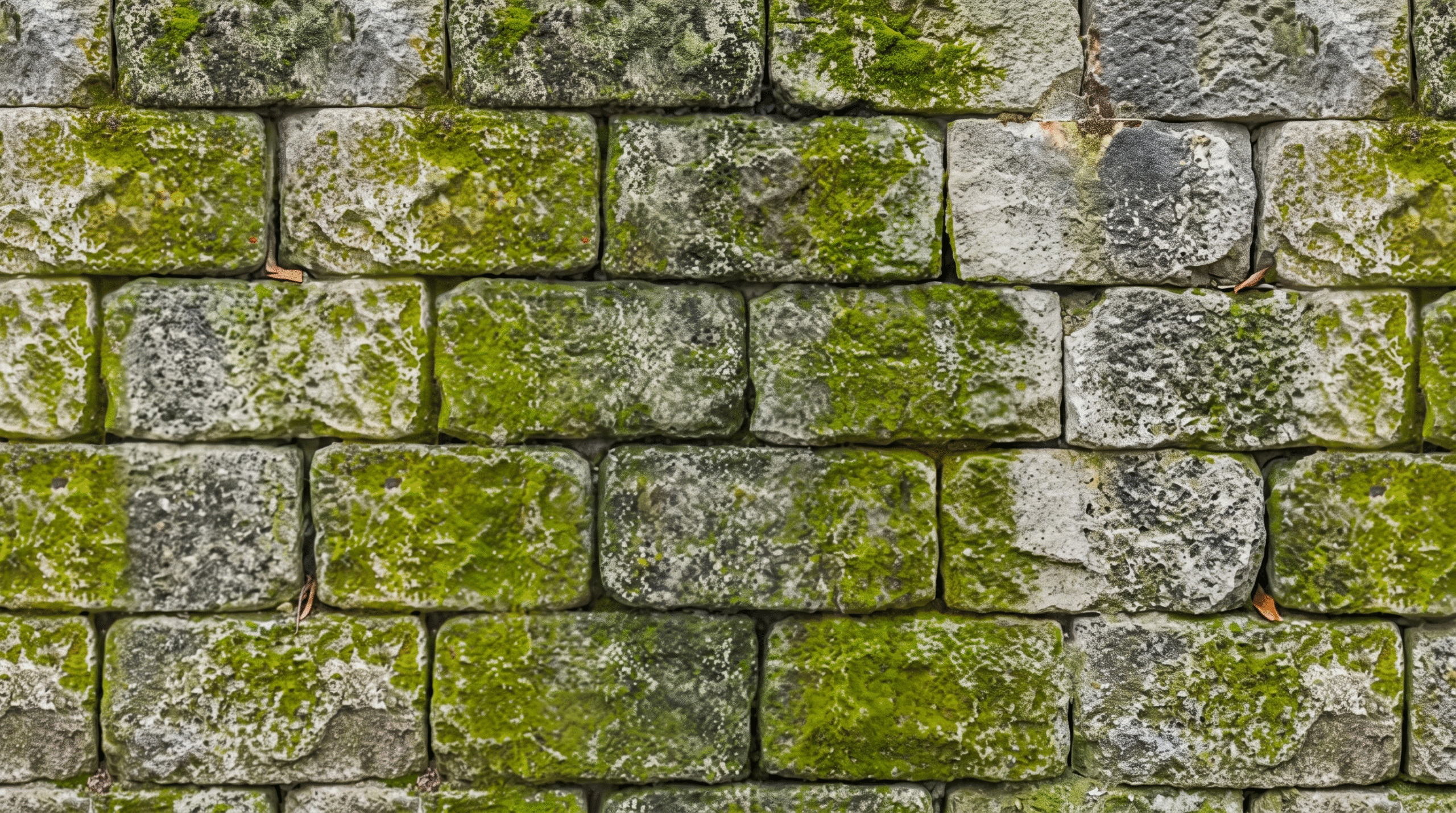
Sandstone is one of the most beautiful stones you can use outdoors, and one of the thirstiest. Left unprotected, it soaks up rainwater, turns green with moss and slowly weathers away. The best way to protect it is a breathable sandstone sealer: a treatment that keeps water out while still letting the stone release moisture from within.
In India, sandstones such as Dholpur and Jodhpur sandstone are used widely for facades, boundary walls, terraces, pool decks, garden paving and heritage buildings. This guide explains why sandstone is so vulnerable, what damages it, why breathability matters, and how a professional sealing process keeps it looking good through every monsoon.
Flagstone Fix, the stone-care brand of Zyax Chem and an authorised partner of Faber Italy, protects and restores natural stone for homes, villas, commercial buildings and heritage sites.
Why Sandstone Needs Protection: A Beautiful but Thirsty Stone
Sandstone is made of grains of sand bonded together by natural minerals. Between those grains are countless tiny gaps, and that is what makes sandstone so porous. It behaves a little like a sponge: when rain falls on it, the water is drawn deep inside.
That water does not just sit there. It carries dirt, salts and organic matter into the stone; it keeps the surface damp for long periods, and it gives moss and algae the moisture they need to grow. Over months and years, this cycle of wetting and drying is what wears sandstone down.
How Water, Moss and Weathering Damage Sandstone
Water Absorption
Because sandstone absorbs water so easily, unsealed surfaces darken after rain, take a long time to dry and stay damp in shaded areas. Constant moisture is the starting point for almost every other problem on this list.
Moss, Algae and Biological Growth
Damp, shaded sandstone is the perfect home for moss, algae and mildew. Green and black patches appear on walls, steps and paving, especially on north-facing surfaces and under trees. Beyond looking untidy, biological growth holds moisture against the stone and can make walkways slippery.
Salts and Efflorescence
Water moving through sandstone carries dissolved salts. When the water evaporates at the surface, the salts are left behind as a white, powdery deposit called efflorescence. When salts crystallise inside the pores, they can push the grains apart and cause the surface to flake.
Monsoon Weathering and Pollution
Heavy monsoon rain, high humidity, strong sun and urban pollution all take their toll. Sandstone gradually loses its crisp edges, its colour fades or darkens with grime, and the surface becomes rough and powdery.
Breathable vs Film-Forming Sealers: Why Breathability Matters for Sandstone
Not every sealer is suitable for sandstone. The most important choice is between a breathable, penetrating treatment and a surface film.
| Breathable penetrating sealer | Film-forming coating | |
| How it works | Soaks into the pores and makes them water-repellent | Forms a layer on top of the stone |
| Appearance | Invisible; keeps the natural look and texture | Often shiny or plastic-looking |
| Moisture inside the stone | Can still escape as vapour | Can be trapped behind the film |
| Long-term effect on sandstone | Protects without harming the stone | Trapped moisture and salts can cause peeling and flaking |
| Best for sandstone? | Yes | Generally not recommended |
Think of a breathable sealer as a quality raincoat that keeps the rain out but lets your skin breathe. A film-forming coating is more like wrapping the stone in plastic. It may look protected at first, but any moisture that gets in behind it has nowhere to go.
Common Sandstone Protection Mistakes to Avoid
• Sealing over moss or dirt. Biological growth and grime get locked in, and the sealer cannot reach the pores properly.
• Sealing wet stone. Sandstone holds water for a long time, so it must be given enough time to dry before treatment.
• Using a glossy surface coating. It changes the natural look and can trap moisture inside the stone.
• Pressure washing at very high pressure. It can erode the surface and loosen grains on weathered sandstone.
• Waiting until the stone is badly weathered. Protection works best before serious damage sets in.
Rule of thumb: clean it gently, let it dry fully, and protect it with a sealer that lets the stone breathe.
Signs Your Sandstone Needs Professional Protection
• The stone turns dark after rain and stays damp for hours or days.
• Green or black patches of moss and algae keep coming back.
• White powdery deposits appear on walls or paving.
• The surface feels sandy or powdery, or small flakes are coming away.
• Paving and steps become slippery during the monsoon.
Professional Sandstone Sealing Services in Mumbai: Our Process
Our team protects sandstone facades, boundary walls, terraces, pool decks and heritage structures across Mumbai. This is how we do it.
1. Site Assessment
We inspect the sandstone, check how it is exposed to rain, shade and sun, and look for moss, salt deposits, weathered areas and sources of water such as leaking gutters or poor drainage.
2. Moss and Algae Removal
Biological growth is removed with ZYAX MOSS & MILDEW REMOVER CONCENTRATE, a professional-grade treatment for moss, mildew and algae on exterior surfaces, including sandstone. It is diluted 1 part concentrate to 4 parts water and works without scrubbing, which is gentler on soft or weathered stone. A spot test is always carried out first.
3. Cleaning and Drying
The stone is cleaned to remove dirt and residue, then left to dry completely. On sandstone, this step needs patience, because the stone holds water deep inside.
4. Patch Testing
A small test area is treated first to confirm that the finish and appearance meet expectations before the full surface is sealed.
5. Applying a Breathable Sandstone Sealer
For most sandstone, we use a breathable, water-based sealer that penetrates deep and leaves no visible film:
• Flagstone Fix Sealer Plus is a ready-to-use, water-based blend of silanes and siloxanes for porous natural stone, including sandstone. It reduces water absorption while preserving the stone’s breathability, and it dries without a sticky residue.
• Vetro Power Professional Porous Stone Protector & Sealer is a ready-to-use surface protection system for absorbent stone surfaces, including sandstone. It is hydrophobic and soil-repellent, and the data sheet lists no change in the look and feel of the stone.
On shaded, damp surfaces where moss tends to return, we use the Vetro Power Professional Porous Stone Protector & Sealer, MOSS PREVENTION SERIES, which combines water and oil repellency with moss and algae growth inhibition while keeping the stone breathable.
Where sandstone is already weathered and affected by salt deposits, DPS, a deep-penetrating water-repellent treatment, is used to protect surfaces that have started to deteriorate.
6. Extra Stain Protection for Paving and Pool Decks
On sandstone paving, terraces and pool decks, a second stain-resistant step can be added with Faber W-Stain, a water-based treatment that forms no surface film and is designed to follow a water-repellent sealer.
7. Curing and Final Check
The surface is left to cure for the full time given in the technical data sheet, then checked with a simple water test to confirm that water now beads on the surface instead of soaking in.
Learn more about our stone protection services.
How to Keep Sealed Sandstone Looking Its Best
• Sweep regularly so leaves and soil do not sit on the stone and hold moisture.
• Clean gently with a residue-free stone cleaner such as Flagstone Fix Mild Stone Cleaner Plus, and avoid harsh household chemicals.
• Keep drainage clear so water does not pool on paving or run down walls.
• Check shaded areas after the monsoon for early signs of moss.
• Re-seal on time, following the interval in the sealer’s technical data sheet, or when water no longer beads on the surface.
Frequently Asked Questions
What is the best sealer for sandstone?
The best sandstone sealer is a breathable, penetrating sealer that keeps water out without forming a film on the surface. Water-based silane and siloxane sealers, and nanotech protectors made for porous stone, are good examples.
Will a sandstone sealer change the colour of the stone?
A breathable penetrating sealer is designed to be invisible and keeps the natural colour and texture of the stone. Colour-enhancing sealers are different, as they are made to deepen the colour on purpose.
Can a sealer stop moss from growing on sandstone?
A water-repellent sealer helps by keeping the stone drier, which makes it harder for moss to grow. On damp, shaded surfaces, a protector with moss and algae prevention gives an extra layer of defence.
Should sandstone be sealed before or after the monsoon?
Ideally before, so the stone is protected when the heavy rain arrives. The stone must be completely dry when the sealer is applied, so the dry season is the best time for the work.
Can I seal old or weathered sandstone?
Yes, in most cases. The surface is first cleaned and assessed, and a deep-penetrating water repellent suited to weathered stone can be used. Badly damaged stone should always be assessed by a professional first.
Protect Your Sandstone with Flagstone Fix
Whether it is a facade, a garden terrace, a pool deck or a heritage structure, our team can assess your sandstone and protect it for years to come. Explore our stone protection services or message us on WhatsApp at +91 87792 40420.
Products mentioned in this guide
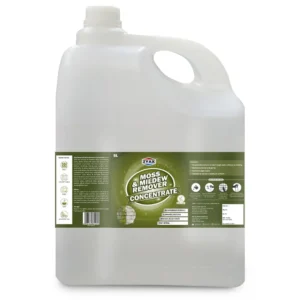 Zyax Moss & Mildew Remover ConcentrateProfessional-grade concentrated treatment for removing moss, mildew & algae from hard surfaces.View product →
 Flagstone Fix Sealer PlusFlagstone Fix Sealer Plus Silane-Siloxane Stone Sealer for Porous Natural StoneView product →
 Vetro Power Porous Stone Protector & SealerProfessional porous stone protector and sealer for long-lasting protection against water, oil and stainsView product →
 Faber DPSFaber DPS Water-Repellent Treatment for Natural StoneView product →
 Faber W-StainFaber W-Stain Water-Based Stain-Resistant Treatment for Natural StoneView product →
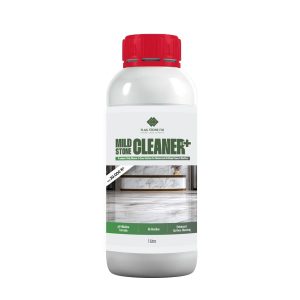 Flagstone Fix Mild Stone Cleaner PlusFlagstone Fix Mild Stone Cleaner Plus Alkaline Stone & Marble CleanerView product →


