
How to Remove Oil and Grease Stains from Marble, Granite and Stone


Quick answer: to remove an oil stain from marble or granite, draw the oil out with a solvent-based poultice remover such as Faber No Oil. Apply it over the stain, let it dry completely (often overnight), then scrape it off and wipe the surface clean. Old or deep stains may need two or three applications. Never use acids, which etch marble, or soap and detergents, which push the oil deeper.
Natural stone, whether marble, granite, sandstone, limestone, or slate, is a highly regarded surface material for many interior and exterior applications because of its strength, beauty, and durability. Yet, natural stone, despite its tough appearance, is not impervious or non-porous. Both oil and grease can stain stone surfaces and, when that happens, it can make your surface not only look bad, but in some cases, it may be hard to remove, especially if it has set in for some time.
From kitchen countertops and dining room tables and chairs to patios, driveways, recreational areas, and even bathroom surfaces, oil stains are not only unsightly. They can also be very stubborn. In this article, we will discuss why oil and grease stains occur, how they act on oil on stone, and the best methods that professionals use to safely remove the oil and grease, without harming the surface.
Why Oil Stains Marble and Granite

As oil and grease are hydrophobic substances, they inherently dislike water. When they come in contact with a porous surface like stone, the oils and greases are absorbed deeper into the stone surface and will set in over time. Here’s why oil and grease stains have a high probability of occurring:
- Food oil-based stains can come from any number of food spills and oils used in the kitchen (such as table and cooking oils, butter, etc.)
- Technician oils (such as oils from engine grease in the garage or oil from a kitchen) are common stains in automotive spaces.
- Cosmetic oils, such as body oils, hair oils, lotions or any kind of hair products, in a bathroom could stain the surface as well.
These stains are more than just surface stains; they often move well below the visible area, which is why surface wiping or general cleaning is usually not effective.
How to Remove an Oil Stain from Marble
Cleaning oil stains from stone relies on two very basic principles:
- Absorption: Drawing the oil out of the stone’s pores using an absorbent material
- Decomposition: Breaking down the oil molecules into a form that can be rinsed or wiped off without leaving residue.
Something to keep in mind is that the wrong cleaner can make things worse: acidic cleaners such as vinegar or lemon etch marble and limestone, while soap and strong detergents can push the oil deeper into the stone. So the best method and best products are specialized for natural stone.
Process for removing oil and grease stains from stone
1. Identify the Type of Stone and Finish
Before you do anything, it is important to identify what type of stone you are working with. Polished granite is different from honed limestone. Some stones are much more delicate and may require more gentle handling.
2. Dry Clean and Surface Preparation
Remove surface debris or dirt using a soft brush or microfiber cloth. At this point, no soap or detergent needs to be used, as it can push the oil deeper into the pores.
3. Use an Appropriate Oil Stain Remover
Use a stone-safe poultice remover. It draws the oil out of the pores as it dries and breaks it down so it can be lifted away.
For specific stains, such as oil, an excellent choice that is available is Faber No Oil, a solvent-based oil remover. It is ready to use, designed for removing oil and grease from natural and engineered stone. Faber No Oil can be applied directly on the area to treat and left to dwell for a few hours or overnight, depending on the severity of the stain.
4. Dwell Time
Oil removers can take 12 to 48 hours to dwell, depending on how deep into the stone the stain is or how old the stain is. While the oil remover dries, it will continue to draw any oil up from the stone surface.
5. Scrape Residue & Rinse
Once the product has dried, scrape off the residue with a plastic spatula or brush. Use a neutral pH cleaner or a damp cloth to clean the area.
6. Repeat As Required
If the stain is deep or old, you may have to repeat the process a second time. Each time you do the process, the concentration of oil and grease will reduce.
How to Remove Oil Stains from Granite
Granite is a siliceous stone. It is harder than marble and is not acid-sensitive the way calcareous marble is, so it tolerates a wider range of cleaning products. Oil and grease still soak into granite when the surface is unsealed or the sealer has worn thin, which leaves a dark oil stain on granite that surface cleaning will not lift.
The fix for oil stains on granite is the same poultice method used for other natural stone. An absorbent material is mixed with a solvent, spread over the stain, covered, and left to dry so it draws the oil back out of the pores. A ready-made product such as Faber Poultice works well, or a paste made from an absorbent powder with acetone or mineral spirits. Because granite is not acid-sensitive, it also tolerates acidic degreasers that would etch a marble surface, so the product choice is wider. Apply the poultice, cover it with plastic, leave it until fully dry, then lift it off and rinse. A deep oil stain on granite can need two or three applications.
Once the stain is gone, seal the granite. A fresh impregnating sealer such as Flagstone Fix Enhance & Protect Plus slows the next spill from soaking in and makes any future oil stains on granite far easier to remove.
View Flagstone Fix Enhance & Protect Plus →
How to Prevent Oil Stains on Marble and Granite
Preventing oil stains is often more effortless than eliminating oil stains. Here are some commonly recommended best practices.
- Sealing the stone: Regular use of a high-quality sealer for stone, as that does not compromise performance; you could consider giving it a recommendation based on increasing total performance and surface resistance to oil penetration.
- Act quickly: It is important to wipe up spills of oil or grease as soon as possible so that they do not have a chance to soak in.
- Use mats: Using mats is a useful practice, especially in the kitchen or outdoor grilling areas.
- Maintenance: If regularly cleaned by themselves and using products that are “stone-safe,” surfaces do not eventually break down the protective sealer.
Oil and grease stains are common on stone and can be treated. When done correctly, most oil and grease stains can be eliminated without damaging the surface. For more substantial or older stains, it is recommended to use a product intended to treat the issues, such as Faber No Oil. It eliminates oil-based contamination without damaging the stone.
Frequently asked questions
Can baking soda remove oil stains from marble?
A paste of baking soda and water can lift light, fresh oil stains if it is left to dry fully and then removed completely, but it rarely shifts old or deep oil. A solvent-based remover such as Faber No Oil works deeper and is safe even on polished marble.
How long does it take to remove an oil stain from marble?
Each application usually needs to dry overnight. Deep or old stains can take 12 to 48 hours and more than one application, with each pass drawing out more of the oil.
Will the oil stain come back?
Not once the oil has been fully drawn out. Seal the stone afterwards so new spills stay on the surface long enough to be wiped away.
Does the same method work on granite?
Yes. Granite is harder and less sensitive than marble, but the poultice method is the same. Test any product on a hidden spot first.
Please feel free to contact us for assistance with product application or for reviewing the stain. Our trained stone care specialists are just an email away. You can contact us directly at info@zyax.in, and we can provide direct advice and recommendations.
Products mentioned in this guide
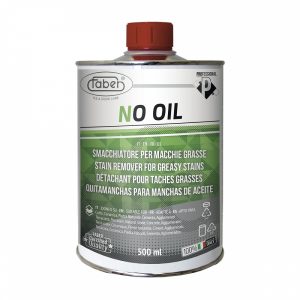 Faber No OilFaber No Oil Deep-Clean Oil Stain Remover for Marble, Granite & StoneView product →
 Faber PoulticePowdered thickening additive designed for use with Faber stain removers.View product →
 Flagstone Fix Enhance & Protect PlusFlagstone Fix Enhance & Protect Stone Sealer for Marble & GraniteView product →
 Flagstone Fix Sealer WB PorousFlagstone Fix Sealer WB Porous Water-Based Stone Sealer for Porous Natural StoneView product →


