
Stone Sealer Guide: How to Choose the Right Sealer for Your Stone
Which stone sealer to buy for marble, granite, limestone, Kota, sandstone, terracotta and grout: stain protectors, water repellents and colour enhancers compared.


The right stone sealer depends on two things: what the stone is, and what you need to protect it from. A polished marble floor that gets tea and oil spills needs a stain protector that keeps its look unchanged. An outdoor sandstone wall needs a breathable water repellent. A kitchen counter needs a food-safe treatment. Choosing by the label “stone sealer” alone is the most common reason a sealer seems not to work.
This guide explains the main types of stone sealer, which one suits marble, granite, limestone, Kota, sandstone, terracotta and grout, and how to apply it. It is written by Flagstone Fix, the stone-care brand of Zyax Chem Pvt Ltd and an authorised partner of Faber Italy Tile & Stone Care. Every product mentioned is in our sealers and protection range.
Quick answer: which stone sealer should you buy?
| Your stone and need | Sealer | Why |
|---|---|---|
| Polished marble or granite floors: stop stains, keep the look unchanged | Faber PROTW LUX, PROTW LUX LO (low odour) | Quick-drying stain protectors that form no surface film |
| Limestone and stone that must not change colour | Faber B1 700 | Fast-drying stain protector that does not alter the stone’s appearance |
| Large floors, lowest cost per sq ft | Faber TX 8 | Water-based concentrate, diluted on site: more than 60 m² per litre of concentrate |
| Kitchen counters and dining tables | Faber PROTEX, Faber AS 930 CP | Food-safe; AS 930 CP also protects marble tops against acid etching |
| Deeper colour or a wet look | Flagstone Fix Croma-S, Faber Boost-S, Faber Wet Look Eco (water-based) | Colour enhancers that also protect against water and stains |
| Outdoor porous stone, walls and cladding: keep rain out | Flagstone Fix Sealer Plus, Faber Hidro SST | Breathable water repellents; Hidro SST is VOC-free and also guards against rising humidity |
| Rising damp in stone | Flagstone Fix W-Drop | Water-based, VOC-free rising-damp sealer |
| Grout, unglazed tiles and terracotta | Flagstone Fix Super Protector, Super Protector WB | Oil, water and stain repellent for low-porosity surfaces |
| Stone not yet laid | Flagstone Fix Back Protector | Seals the back of the stone so grout and cement cannot stain through |
Does your stone need sealing?
Do the water-drop test. Put a few drops of water on the stone and wait 10–15 minutes. If the spot darkens, the stone is absorbing liquid and should be sealed. Light marbles, limestone, Kota, sandstone and flamed or honed granite usually need it. Very dense, polished black granite may pass the test for years.
The main types of stone sealer
1. Stain protectors (impregnators)
These soak into the stone’s pores and repel both water and oil, so spills stay on the surface long enough to wipe up. Good ones form no film, so the stone keeps its natural look and can breathe. Examples: Faber PROTW LUX, PROTW LUX LO, B1 700, TX 8 and W-Stain. This is the right choice for most floors and walls indoors.
2. Water repellents
These are made to keep water out of porous stone, especially outdoors, without changing its colour. They protect against rain, damp and the salt marks (efflorescence) that water leaves behind. Examples: Flagstone Fix Sealer Plus and Deep Impregnator (silane-siloxane), Faber Hidro SST, WS 800, DREP and SSTX. Where salts are already a problem, Faber DPS is made for stone with efflorescence.
3. Colour enhancers
These protect the stone and also deepen its colour, from a natural matte to a wet look. They suit honed, flamed or antique-finish granite, slate and sandstone, where the colour looks faded. Examples: Flagstone Fix Croma-S, Faber Boost-S (non-yellowing), MA 90 (semi-gloss), P 147 and Wet Look Eco. For porcelain and quartz, use Faber Deep Enhancer.
4. Topical coatings: not a substitute
Shiny coatings sit on top of the stone instead of soaking in. On natural stone they can scratch, peel and trap moisture, so they are not a replacement for a penetrating sealer. If you want more gloss on marble, polish it instead: see our marble polish guide.
Water-based or solvent-based?
Solvent-based sealers penetrate dense stone well and suit demanding commercial use. Water-based sealers have less odour and are easier to use in occupied homes, and several are VOC-free. Both work when matched to the stone. Our guide to water-based vs solvent-based stone sealers explains the choice in detail.
Sealers by stone
- Marble: a stain protector such as PROTW LUX for floors; PROTEX or AS 930 CP for counters. See our marble sealing guide.
- Granite: a penetrating sealer matched to how porous it is; a colour enhancer for flamed or honed granite. See the top 5 granite sealers in India.
- Limestone and Kota: Faber B1 700 when the colour must not change.
- Sandstone and porous outdoor stone: a breathable water repellent. See how to protect sandstone.
- Terracotta, grout and unglazed tiles: Flagstone Fix Super Protector or Super Protector WB.
How to apply a stone sealer
- Clean and dry. Remove all dirt, old wax and stains, and let the stone dry completely. A sealer locks in whatever is underneath it.
- Test a small area. Check the look and the water-drop result before doing the whole surface.
- Apply evenly. Use the applicator in the data sheet (lambswool pad, roller, brush or sprayer) and work in sections.
- Remove the excess. Wipe off anything that has not soaked in within the time the data sheet gives, so no sticky film is left.
- Second coat if needed. Very absorbent stone may need a second coat.
- Let it cure. Keep water and foot traffic off for the curing time on the data sheet.
Most of our sealers cover about 8–20 m² per litre per coat, depending on the product and how absorbent the stone is. Use our coverage calculator to work out how much you need.
Frequently Asked Questions
What is the best sealer for natural stone?
There is no single best sealer. For polished marble and granite floors, a no-film stain protector such as Faber PROTW LUX is the usual choice. Outdoor porous stone needs a breathable water repellent, and kitchen counters need a food-safe sealer such as Faber PROTEX.
Will a stone sealer change how my stone looks?
Stain protectors and water repellents are made to keep the stone’s natural look. Colour enhancers deliberately deepen the colour. Always test a small area first.
How often should stone be resealed?
Re-test with a few drops of water every six months. When the stone starts to darken again, it is time to reseal. Busy floors and outdoor stone need it more often than walls and low-traffic areas.
Is there a food-safe sealer for kitchen counters?
Yes. Faber PROTEX is a food-safe stain protector for countertops, and Faber AS 930 CP also protects marble and limestone tops against acid etching from lemon, vinegar and similar spills.
Can I seal granite and marble with the same product?
Often, yes. Stain protectors such as PROTW LUX suit both polished marble and granite. Very dense granite may absorb little sealer, so check it with the water-drop test first.
Buy stone sealers from Flagstone Fix
Flagstone Fix supplies Faber Italy and Flagstone Fix sealers across India, with technical help from our team in Mumbai. Browse the full sealers and protection range, or send us a photo of your stone on WhatsApp and we will recommend the right sealer and quantity. Prefer it done for you? See our stone sealing service.
Products mentioned in this guide
 Faber PROTW LuxFaber PROTW Lux Quick-Drying Stain-Resistant Stone SealerView product →
 Faber PROTW Lux LOFaber PROTW Lux LO Low-Odour Stain-Proof Sealer for Natural StoneView product →
 Faber B1 700Faber B1 700 Stain-Proof Natural Stone SealerView product →
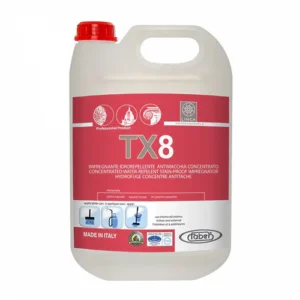 Faber TX 8Concentrated water-based stain-proof and water-repellent treatment for natural stone surfaces.View product →
 Faber ProtexFaber Protex Protective Treatment for Water, Oil & Stain ResistanceView product →
 Faber AS 930 CPFaber AS 930 CP Food-Safe Stain-Proof Sealer for Marble, Travertine & Limestone CountertopsView product →


