
Water-Based vs Solvent-Based Stone Sealers: Which One Protects Your Marble and Granite?


Both water-based and solvent-based stone sealers can protect marble and granite very well. The real difference is the liquid that carries the protection into the stone, and that affects how the sealer is applied, how quickly the floor is ready, and where each type works best.
So the right question is not “which sealer is better?” but “which sealer is right for this stone, in this space, under these conditions?” This guide explains how each type works, when to choose one over the other, and how our team decides on site.
Flagstone Fix, the stone-care brand of Zyax Chem and an authorised partner of Faber Italy, protects premium marble and granite in homes, hotels and commercial spaces.
What Is a Stone Sealer and How Does It Protect Marble and Granite?
Every natural stone has pores, even when it is polished to a mirror finish. Those tiny openings are where spills, oil and dirty water get in, and once a liquid is inside the stone, it can leave a mark that ordinary cleaning cannot reach.
A good stone sealer, also called an impregnating sealer or impregnator, soaks into those pores and lines them with a protective barrier. The surface still looks and feels like natural stone, but liquids now bead on top instead of sinking in. That gives you time to wipe up a spill before it becomes a stain.
Think of it like a breathable rain jacket rather than a plastic sheet. A quality impregnator keeps water and oil out, yet it does not seal the stone in a film. Moisture vapour can still escape, which helps the stone stay healthy over time.

Water-Based vs Solvent-Based Stone Sealers: The Key Differences
Both types work below the surface. What changes is the carrier: water in one case, a solvent in the other. Here is how that difference plays out in practice.
| Water-based stone sealer | Solvent-based stone sealer | |
| What carries the protection | Water | A solvent |
| Odour | Low odour; many are VOC-free | Noticeable solvent smell during application, so good ventilation is needed |
| Drying | Must be left to cure for the time given in the technical data sheet | Typically fast-drying, so the area returns to use sooner |
| Stone condition | Stone must be clean and dry | Stone must be completely dry, because moisture in the pores stops the solvent from penetrating |
| Finish | Natural finishes available | Natural finishes available |
| Where it shines | Occupied indoor spaces, eco-conscious projects, areas where odour matters | Projects that need strong water and oil repellency and a quick turnaround |
Neither type is “stronger” by default. A well-chosen, well-applied water-based sealer can outperform a poorly applied solvent-based one, and the other way around.
When a Water-Based Stone Sealer Is the Right Choice
A water-based sealer for stone is often the best fit when people are nearby while the work is being done. Picture a hotel lobby that cannot close, a restaurant that reopens for dinner, or a family home where the children are around. Low odour makes a real difference in these spaces.
Water-based sealers are also popular on green building projects and with clients who prefer VOC-free products.
Two examples from our range:
• Flagstone Fix Super Protector WB is a ready-to-use, VOC-free impregnator that forms a transparent barrier below the surface against oil and liquid stains. It is suitable for marble and granite and does not darken or add gloss to polished surfaces.
• Faber W-Stain is a water-based, stain-resistant treatment for natural stone, including marble and granite. It forms no surface film, so the stone stays breathable.
When a Solvent-Based Stone Sealer Is the Right Choice
A solvent-based sealer for stone is the go-to option when the floor needs to be back in use quickly, or when maximum water and oil repellency is the priority. Busy lobbies treated during a short overnight closure, bar areas and high-traffic commercial floors are typical examples.
The one non-negotiable rule is that the stone must be completely dry. If moisture is trapped in the pores, a solvent-based product cannot penetrate properly, and the protection will be weaker than it should be.
Two examples from our range:
• PROTEX is a fast-drying, solvent-based, stain-resistant Faber treatment with a natural finish that does not change the colour of the stone.
Faber B1 700 is a high-performance, solvent-based, fast-drying stain-proof treatment from Faber. It leaves the natural appearance of the stone unchanged and is suitable for natural stone and agglomerates.
Sealing Marble vs Granite: How the Stone Changes the Choice
Marble and granite may sit side by side in a luxury project, but they behave very differently.
Marble is a softer, calcium-based stone. Polished Italian marbles such as Statuario and Calacatta are prized for their bright white backgrounds, which is exactly why every stain shows. Marble floors in living areas, lobbies and dining spaces almost always benefit from sealing.
Granite is harder and denser, but it is not stain-proof. Some granites absorb liquids quite readily, while very dense, dark granites absorb so little that they may need only a light treatment.
That is why we never assume. A simple water-drop test tells us how the stone behaves: place a few drops of water on the surface and watch for a few minutes. If the stone darkens, it is absorbing and needs protection. If the water stays beaded, the stone is either already protected or very dense.
Common Stone Sealing Mistakes to Avoid
• Sealing damp stone. Trapped moisture blocks penetration, especially with solvent-based sealers.
• Sealing dirty stone. A sealer locks in whatever is already in the pores, including old stains and cleaning residue.
• Leaving excess sealer on the surface. Product that cannot soak in can leave a sticky or hazy layer. Anything the stone does not absorb should be removed as the technical data sheet directs.
• Using a film-forming coating where the stone needs to breathe. A shiny surface film can trap moisture and wear unevenly in traffic lanes.
• Choosing a sealer on price alone. The right sealer depends on the stone, its condition and how the space is used.
Rule of thumb: clean it, dry it, test it, and only then seal it.
Professional Stone Sealing Services in Mumbai: Our Process
A sealer is only as good as its application. This is how our team seals premium marble and granite for homes, hotels and commercial spaces across Mumbai.
1. Site Assessment and Absorption Test
We identify the stone and its finish, check how the space is used, and carry out a water-drop test to see how absorbent the surface really is.
2. Deep Cleaning
The stone is cleaned with Flagstone Fix Mild Stone Cleaner Plus, a residue-free stone cleaner with no waxes or polymers, so nothing is left in the pores to block the sealer.
3. Drying and Moisture Check
We make sure the stone is completely dry before any sealer is applied. On ground floors and areas exposed to damp, this step is checked with extra care.
4. Patch Testing
On premium stone, a small test area is treated first to confirm the finish and the level of protection before the full surface is sealed.
5. Choosing Between Water-Based and Solvent-Based
Based on the stone, the finish, the moisture conditions and how soon the space must reopen, we select the right sealer type and product for the job.
6. Application and 6-Side Treatment for New Installations
The sealer is applied evenly in the correct quantity, and any excess is removed. For new installations, we recommend a 6-side treatment, which means sealing all six faces of each slab (the top, the bottom and all four edges) before it is laid, so the stone is protected from every direction.
7. Curing and Final Check
The floor is left to cure for the full time given in the technical data sheet, then checked again with a water-drop test before it returns to normal use.
Learn more about our professional stone sealing services.
How Long Does a Stone Sealer Last? Maintenance and Re-Sealing
How long protection lasts depends on the product, the stone, the foot traffic and the way the floor is cleaned. A few simple habits help it last longer:
• Clean with a residue-free stone cleaner, never with harsh household chemicals that can break down the protection.
• Wipe spills promptly, even on a sealed floor.
• Repeat the water-drop test every few months in busy areas. If the stone starts to darken, it is time to re-seal.
• Follow the re-sealing interval in the sealer’s technical data sheet, or let our team schedule it for you.

Frequently Asked Questions
Is a water-based sealer as effective as a solvent-based sealer?
Yes, when it is the right product for the stone, and it is applied correctly. Both types can give strong stain protection. The choice depends more on the space, the stone condition and how quickly the area must be back in use.
Can I seal marble that is still damp?
No. The stone should be clean and completely dry before sealing. Moisture in the pores stops a solvent-based sealer from penetrating properly and weakens the protection.
Will a stone sealer change the colour of my marble or granite?
A natural-finish impregnating sealer works below the surface and does not change the look of the stone. Colour-enhancing sealers are different, as they are designed to deepen the colour on purpose.
Which is the best stone sealer for Italian marble floors?
There is no single best sealer for every floor. The best choice depends on the marble, its finish, its condition and how the space is used, which is why we assess every floor before recommending a product.
How do I know when my floor needs re-sealing?
Use the water-drop test. If water darkens the stone instead of beading on the surface, the protection is wearing off, and it is time to re-seal.
Protect Your Marble and Granite with Professional Stone Sealing
Not sure which sealer your floor needs? Book a site assessment, and our team will test your stone and recommend the right protection. Explore our professional stone sealing services or message us on WhatsApp at +91 87792 40420.
Related guide: not sure which sealer suits your stone? See our stone sealer guide.
Products mentioned in this guide
 Flagstone Fix Super Protector WBFlagstone Fix Super Protector WB Tile & Grout SealerView product →
 Faber W-StainFaber W-Stain Water-Based Stain-Resistant Treatment for Natural StoneView product →
 Faber ProtexFaber Protex Protective Treatment for Water, Oil & Stain ResistanceView product →
 Faber B1 700Faber B1 700 Stain-Proof Natural Stone SealerView product →
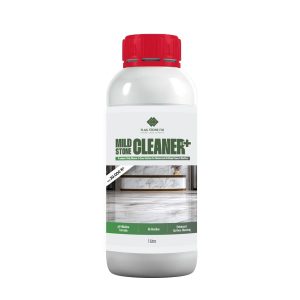 Flagstone Fix Mild Stone Cleaner PlusFlagstone Fix Mild Stone Cleaner Plus Alkaline Stone & Marble CleanerView product →


