
Marble Floor Cleaner vs Regular Floor Cleaner: What Is Safe for Marble
Regular floor cleaners can etch or dull marble. Learn what makes a marble floor cleaner liquid safe and how to clean marble properly.


A regular floor cleaner is built to cut grease and kill germs on tile, vitrified and cement floors. Marble is a different material. It is made mostly of calcium carbonate, so it reacts to acids and does not like strong alkalis or heavy detergent residue. So the marble floor cleaner liquid you choose matters as much as how often you mop.
This guide explains what goes wrong when a regular floor cleaner is used on marble, how to spot the damage, and what a marble-safe routine looks like.
Why regular floor cleaners can harm marble
Most everyday floor cleaners are made for hard, non-reactive surfaces such as glazed tile. Three things in them cause trouble on marble:
- Acids. Vinegar, lemon, limescale removers and bathroom acid cleaners dissolve a little of the marble surface. This is called etching.
- Strong alkalis and undiluted phenyl. Harsh formulas can dull the polish, especially when used at full strength or left to dry on the floor.
- Film-forming detergents. Residue left behind attracts dust and makes a polished floor look flat and cloudy.
Etching is not dirt. It is a change to the stone itself, so a stronger cleaner will not remove it. It usually has to be corrected by polishing.
How to tell etching from dirt
- Etch marks look like dull, pale patches with a clean edge, often where a spill sat or where a cleaner was splashed.
- Dirt and detergent film look like an even grey haze across the floor, and the shine comes back when the floor is cleaned properly.
- Wipe a small area with a clean damp cloth. If the dull patch stays after it dries, it is likely etching.
What a marble-safe floor cleaner looks like
For everyday mopping, pick a pH-neutral cleaner that leaves no film, and mix it at the dilution on its data sheet. Concentrates are common in professional stone care because one bottle makes many litres of mopping solution.
Faber Neugel is a concentrated neutral cleaner for absorbent surfaces such as natural stone. According to the Faber technical data sheet, marble and granite are cleaned at 20 to 30 g in 5 litres of water, with no rinsing needed at these dilutions, and the floor can be walked on as soon as it is dry.
Two other products are alkaline, so they are used differently. Faber Soap is a concentrated cleaner (pH 11) with water-repellent action, made for polished stone as a regular cleaner and as the wash after polishing. It is applied with a single-disc machine, the residue is taken up with a wet-vacuum, and it must not be left to dry on the surface. Mild Stone Cleaner Plus is a water-based concentrate with a pH of about 10, listed for routine cleaning of marble, floors and stairs, and it is not a pH-neutral product. Neutral is the safest default for daily mopping. Use the alkaline ones only as their data sheets describe.
Marble floor cleaner vs regular floor cleaner: side by side
- Chemistry: marble cleaners are neutral. Many regular cleaners are acidic or strongly alkaline.
- Residue: marble cleaners are meant to leave no film. Regular cleaners often leave fragrance and shine residue that builds up.
- Dilution: marble cleaners state a dilution for stone. Regular cleaners are often used by eye.
- Risk: a wrong cleaner on tile only leaves streaks. On marble it can change the surface permanently.
A simple daily routine for marble floors
- Dry dust-mop or vacuum first. Grit scratches polished marble when it is mopped around.
- Dilute the neutral cleaner (for example Neugel) exactly as the data sheet says, in clean water.
- Mop with a clean, well wrung mop. Do not flood the floor.
- Let it dry, or wipe dry in busy areas.
- Wipe spills of juice, wine, cola or tea straight away, because these are acidic.
Before using any new product on a whole floor, test it on a small hidden patch first. Faber recommends a preliminary test on the material, and the same advice applies to every cleaner on this page.
Frequently asked questions
Can I use a regular floor cleaner on marble?
It is best not to. Many regular cleaners are acidic or strongly alkaline, or leave a film. A pH-neutral stone cleaner avoids both problems.
Is phenyl safe on marble?
Undiluted or strong phenyl can dull the polish, and it can leave marble patchy. If a floor has been mopped with it, switch to a neutral cleaner and have the finish checked.
Is vinegar a good marble cleaner?
No. Vinegar is an acid, and acids etch marble. Use a neutral stone cleaner instead.
How often should marble floors be cleaned?
Dust-mop daily and damp-mop with a neutral cleaner as often as the floor needs it. Busy areas such as entrances and kitchens need it more often.
For a full comparison of cleaners by job, read our marble cleaning guide. If you are unsure which product suits your floor, send a photo and the approximate area to the Flagstone Fix team on WhatsApp at +91 87792 40420.
Products mentioned in this guide
 Faber NeugelFaber Neugel pH-Neutral Stone Cleaner for Natural Stone with Medium-High AbsorptionView product →
 Faber SoapFaber Soap Water-Repellent Treatment for Marble, Granite & Natural StoneView product →
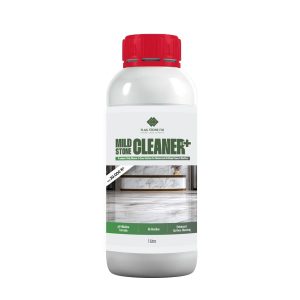 Flagstone Fix Mild Stone Cleaner PlusFlagstone Fix Mild Stone Cleaner Plus Alkaline Stone & Marble CleanerView product →


