Marble Crack Repair: How to Fix Cracks in Marble Floors and Countertops

How to tell a crack from a natural fissure, which filler to use for each kind of crack in marble, and how to fill, cure and re-polish it.

How to tell a crack from a natural fissure, which filler to use for each kind of crack in marble, and how to fill, cure and re-polish it.
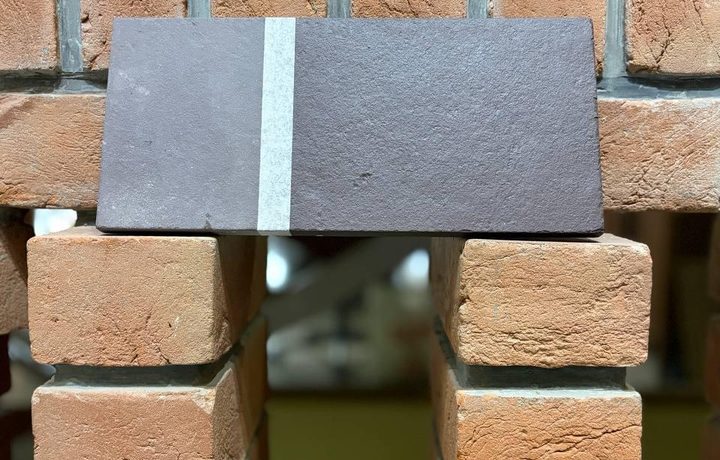
How to polish Kota stone: machine re-polishing for worn floors, crystallisers and self-polishing finishes for dull ones, and how to bring back faded colour without acids.
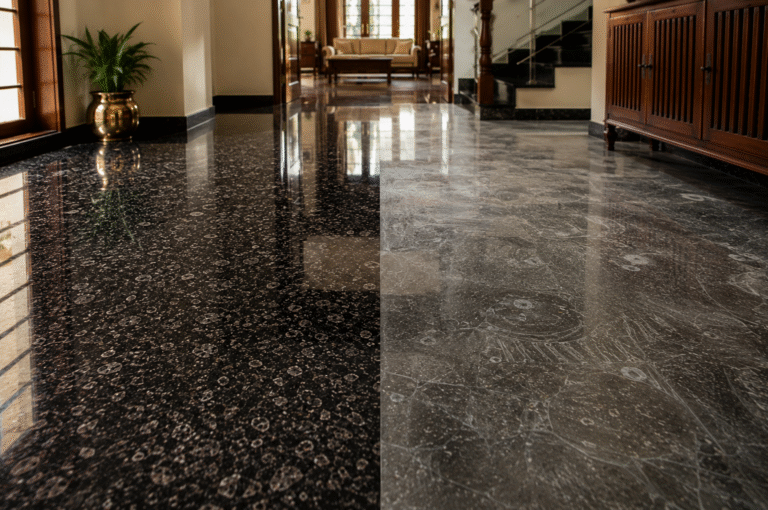
Which granite polish to buy: polishing creams for floors, waxes for countertops, and how to make dull black granite shine again.
Epoxy grout explained: epoxy vs cement grout, a calculator for how many kg you need, how to apply it, and how to remove epoxy grout haze from tiles.
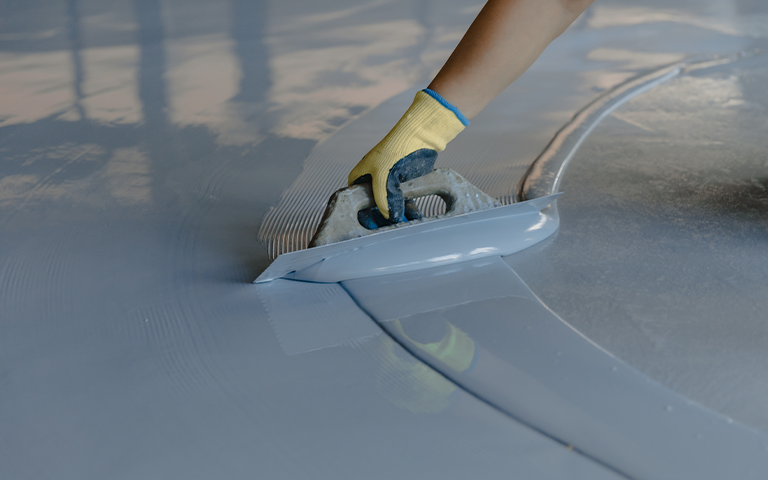
Which marble adhesive glue to buy: polyester mastics for indoor joints that are sanded and polished, epoxy for outdoor, wet, load-bearing and white stone, plus how to get an invisible joint.

Which marble polish to buy: polishing creams for dull home floors, crystallisers for high-traffic areas, powders for re-polishing after grinding, and universal creams for mixed floors.

How to choose a bathroom tile cleaner and deep clean bathroom tiles: limescale, soap scum, floor grime and mould in grout, and which product to use for each job.

A solvent-based solid wax restores colour and shine to marble and granite cladding, feature walls and worktops. Not for floors. Here is how.

Low-viscosity two-part epoxy is used to resin, seal and harden fissured marble and granite slabs. What it does and how to plan the job.

Scuffs, scratches and dull patches on polished vitrified tiles can be polished out with a dedicated kit for light and dark tiles. Step-by-step guide.

Hardened epoxy grout lumps, resin and filler residue on tiles or stone can be dissolved with a solvent gel, and old epoxy joints opened for regrouting.

Painters gone, paint drips left behind? A solvent gel dissolves paint, enamel, marker and graffiti on marble and stone without dulling the polish.

Limescale rings around taps and soap dishes are a daily headache in hard-water cities. A maintenance cream helps countertops resist them.

For fabricators and installers: mixing, applying and finishing a polyester marble mastic for gluing and grouting marble, granite and travertine slabs.

Faded porcelain or quartz that sealers will not soak into? How to deepen colour with a matt, non-filming enhancer for compact surfaces.

Honed or flamed granite looking flat and soaking up stains? How to apply a colour-enhancing, stain-proof sealer with a soft satin sheen.

A water-based, colour-enhancing, stain-resistant treatment gives exposed brick, concrete and terracotta a deeper wet look in a matt or satin finish.

Orange rust rings from cylinders, planters and grills can be lifted from granite, porcelain and other acid-resistant surfaces. Here is the method.

Make crack repairs and joints disappear by tinting polyester or epoxy resin to match your stone. Ratios, mixing tips and safety advice.

Flamed and brushed granite often looks pale and grey. A solvent-based colour enhancer can restore depth on steps, entrances and dark stones.

Treat marble, granite and limestone before laying so mortar moisture, cement and dirt are less likely to stain through. Coverage and timings inside.

A second-stage densifier applied after 800 or 1200 polishing fills leftover porosity so polished terrazzo, concrete and stone keep their gloss longer.

Pale, chalky kota stone floors can look deep and rich again. How to apply a matt, stain-proof colour enhancer to kota and other limestones.

Soft marble that loses its polish in months? Densify it at the 200-grit grinding stage to make the stone harder before you polish.