Porcelain Tile Cleaning: Best Products for Large Format Porcelain Tiles


The best porcelain tile cleaning products are neutral cleaners for daily care, alkaline degreasers for periodic deep cleaning, and dedicated acid-based removers reserved strictly for post-construction cement and grout haze. Porcelain is dense and chemically resistant, but large format tiles and slabs bring their own challenges: fine surface texture that grips dirt, expansive joint-free surfaces where every streak shows, and construction residues that ordinary cleaners cannot touch. This pillar guide matches the right product to each cleaning job across homes, showrooms, hotels, and commercial spaces. You can also browse all our tile cleaners in one place.
It is published by Flagstone Fix, the stone-care brand of Zyax Chem Pvt Ltd and an authorised partner of Faber Italy Tile & Stone Care, supplier of professional cleaners for porcelain, ceramic, and natural stone across India.
Porcelain Is Tough So Why Do Floors Look Bad?
Porcelain tile rarely fails; its appearance does. Four causes account for almost every complaint:
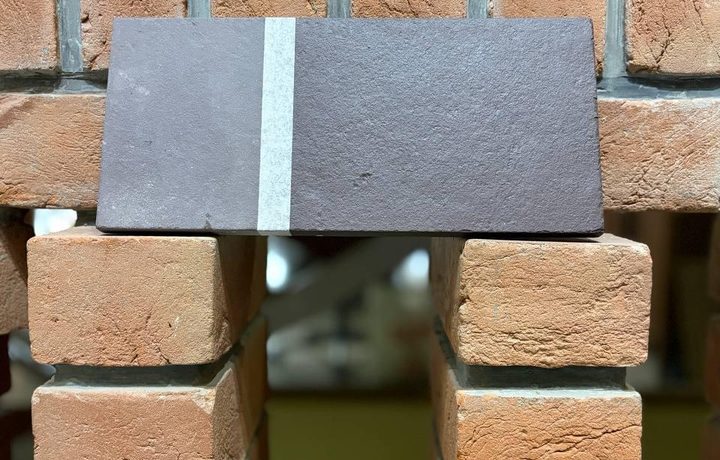
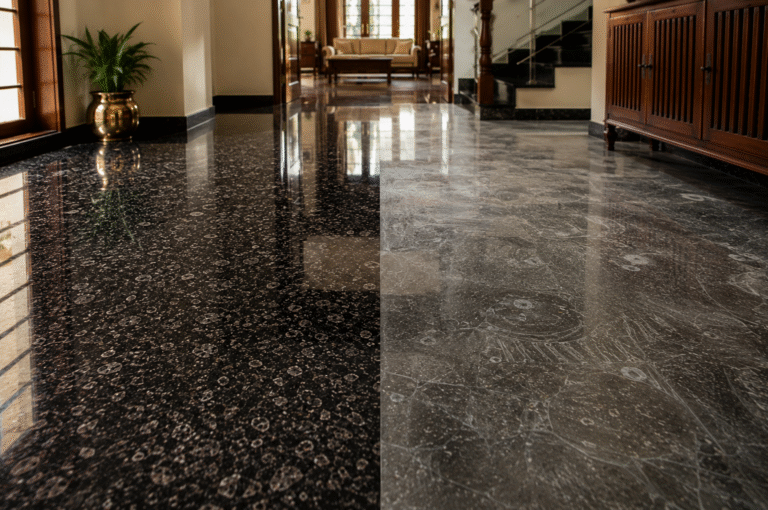
- Cement and grout haze from installation left on the surface, permanently greying the finish until chemically removed.
- Detergent film from years of soapy or “shine-enhancing” cleaners, which builds a dirt-attracting layer.
- Textured and matt finishes hold soil; the micro-relief that makes tiles slip-resistant also traps fine dirt that mops slide over.
- Dirty grout lines framing every tile are covered in depth in our guide to grout cleaning.
Answer-first summary: match chemistry to the job: neutral for daily, alkaline for grease and film, acid-based only for mineral residues like cement haze, and never on the grout or adjoining natural stone without professional guidance.
The Three Product Families of Porcelain Tile Care
1. Neutral daily cleaners
For routine mopping, a pH-neutral cleaner such as Faber Algafloor removes daily soil without leaving film, the cause of the streaky, patchy look on large format slabs. Concentrated dosing keeps costs low across big floor plates. For mixed porcelain/stone properties, Flagstone Fix Mild Stone Cleaner Plus covers every surface with one product.
2. Alkaline deep cleaners and degreasers
Kitchens, food courts, and entrance zones develop greasy film that neutral cleaners only manage. A periodic deep clean with a professional alkaline degreaser strips the accumulated layer and restores the tile’s true colour. Wax and old polish layers are removed with dedicated strippers such as Decera P before any refinishing.
3. Acid-based residue removers
Cement haze, grout residue, and efflorescence are mineral deposits; only acid chemistry dissolves them. Purpose-built removers such as Faber Disycott are formulated to clear post-construction residue from porcelain safely when used as directed. These products are for periodic corrective use, never daily cleaning, and need care near natural stone, metal trims, and grout. Full methods are in our guide to tile stain removal after construction.
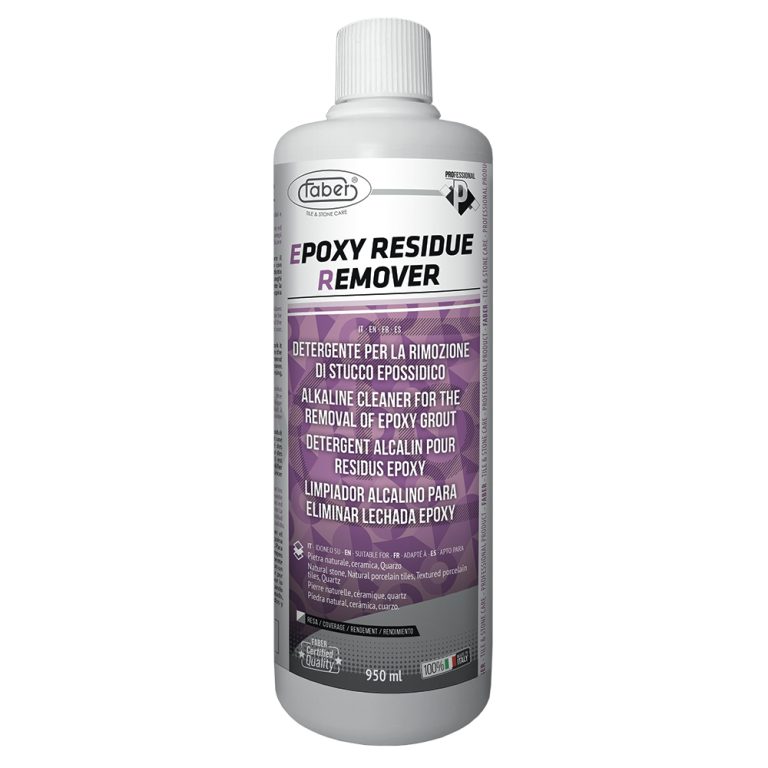
For epoxy grout films specifically, Faber Epoxy Residue Remover dissolves the resin haze that acids cannot.
Cleaning Large Format Porcelain: What Changes at Scale
Large format tiles (800×1600 mm and up) and porcelain slabs behave differently from small-format floors:
- Streaks are the enemy. Big uninterrupted surfaces show every wipe mark. Use correctly diluted neutral cleaner, two-bucket mopping, and microfibre flat mops; over-dosed chemical is the usual culprit.
- Fewer joints, more reflection. Polished and lappato finishes need residue-free products; any film reads as cloudiness in reflected light.
- Matt and textured slabs need agitation. Flat mops glide over micro-texture; periodic machine scrubbing with a red/white pad and neutral or mild alkaline cleaner lifts what daily mopping leaves behind.
- Edge and joint discipline. The few joints that exist must stay sealed and clean; see our guides to porcelain tile sealing and grout cleaning.
The Professional Porcelain Cleaning Routine
| Frequency | Task | Product Family |
| Daily | Dust-mop, then damp-mop traffic areas | Neutral cleaner (Faber Algafloor) |
| Weekly | Full wet clean including edges; spot-treat marks | Neutral cleaner + targeted removers |
| Monthly / quarterly | Deep clean or machine scrub; degrease kitchen & entrance zones | Alkaline deep cleaner (Faber 30) |
| Post-construction / corrective | Remove cement haze, grout residue, epoxy film | Faber Disycott, Faber Epoxy Residue Remover |
| As specified | Anti-slip treatment for wet areas | See anti-slip tile treatment |
For a ranked product shortlist across all tile types, see our roundup of the best professional tile cleaners in India.
What Not to Use on Porcelain Tiles
- Bathroom acids and neat descalers for routine cleaning corrode grout, trims, and adjoining stone, and etch some glazed finishes.
- Wax and “shine” mop additives: porcelain does not need them; they build the film professionals are later paid to strip.
- Steel wool and harsh abrasive powders scratch polished and lappato finishes.
- One-product-for-everything thinking the root cause of most disappointing porcelain floors.
Porcelain Care Is a System: Clean, Protect, Maintain
Cleaning performs best alongside protection. Polished porcelain and micro-textured finishes benefit from protective treatments in specific cases, and grout always benefits from sealing. The full analysis is in our guide to whether porcelain tiles need sealing. Slip safety in wet areas is its own discipline, covered in our guide to anti-slip tile treatment.
For hotels, malls, and facility teams, Flagstone Fix supplies the complete system: daily cleaners, deep cleaners, residue removers, protection treatments plus on-site services from deep cleaning to anti-slip application.
Frequently Asked Questions
What is the best cleaner for porcelain tiles in India?
A concentrated pH-neutral cleaner such as Faber Algafloor is the best daily porcelain tile cleaner it removes soil without leaving the film that dulls large format tiles. Periodic deep cleaning uses alkaline cleaners such as Faber 30, and post-construction haze needs a dedicated acid-based remover such as Faber Disycott.
How do I clean large porcelain slabs without streaks?
Use a correctly diluted neutral cleaner, a clean microfibre flat mop, and a two-bucket system so dirty water never returns to the floor. Streaking is almost always caused by chemical over-dosing or soiled mop water, not the tile.
How do you remove cement or grout haze from porcelain tiles?
Cement and grout haze are mineral residues that require a purpose-built acid-based remover applied as directed, then rinsed thoroughly. Never attempt it with neat bathroom acid it damages grout and trims and can patch some finishes.
Do matt and anti-slip porcelain tiles need different cleaning?
Yes. Their surface texture traps fine soil, so they need periodic agitation, a brush or machine scrubbing in addition to daily mopping. Chemical choice stays the same: neutral daily, alkaline for periodic deep cleans.
Can I use acid to clean porcelain tiles regularly?
No. Acid chemistry is corrective, not routine, reserved for mineral residues like cement haze and efflorescence. Regular acid corrodes grout, metal profiles, and adjacent natural stone, and dulls some glazed surfaces.
Do porcelain tiles need polishing or waxing?
No. Porcelain’s finish is fired in and does not need wax; coatings only create a maintenance problem. If a porcelain floor looks dull, it needs deep cleaning or haze removal, not polish.
Specify Complete Porcelain Tile Care
Flagstone Fix supplies professional porcelain and tile care products to facility managers, hospitality teams, contractors, and distributors across India, backed by 50+ years of expertise through the Faber Italy Tile & Stone Care partnership and 200+ advanced products.
Get a Quote for supply · Become a Partner · Contact Us for product selection guidance.
Products mentioned in this guide
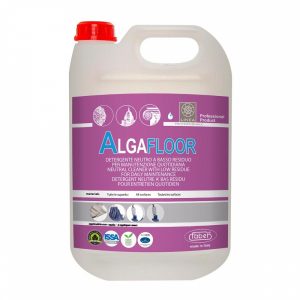 Faber AlgafloorFaber Algafloor pH-Neutral Stone Cleaner for Porcelain, Ceramic & TileView product →
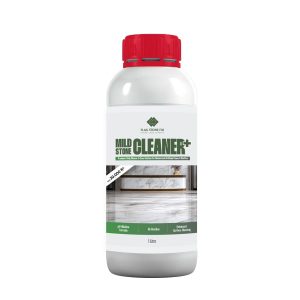 Flagstone Fix Mild Stone Cleaner PlusFlagstone Fix Mild Stone Cleaner Plus Alkaline Stone & Marble CleanerView product →
 Faber Decera/PFaber Decera/P Alkaline Wax StripperView product →
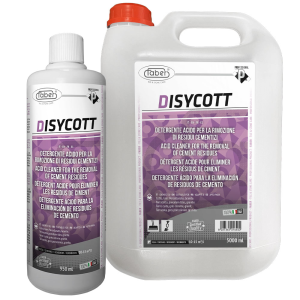 Faber DisycottHighly concentrated, acid-based, after setting cleaner.View product →
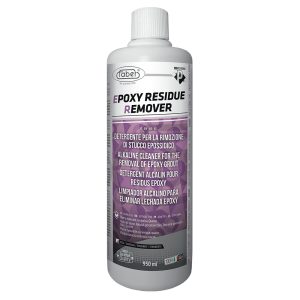 Faber Epoxy Residue RemoverFaber Epoxy Residue Remover for Tile & GroutView product →
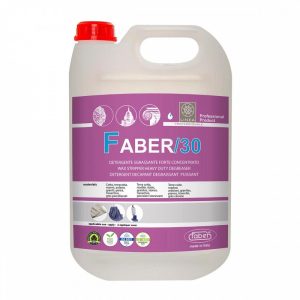 Faber 30Faber 30 Deep Alkaline Cleaner for Marble, Tile & StoneView product →