
Wine Stains on Marble in Hotels and Restaurants: Removal and Prevention


A marble wine stain is one of the most common and most visible problems in hotels, restaurants and banquet venues. A single glass of red wine knocked over during a busy evening can leave a pink or purple mark on a white marble floor that housekeeping cannot remove the next morning.
The good news is that professionals can remove wine stains on marble and, more importantly, prevent them. The answer is a professionally applied stone sealer chosen correctly for the space and, for new installations, a 6-side treatment of every slab before it is laid.
This guide explains why wine stains marble, what your staff should do in the first few minutes, how Flagstone Fix removes existing stains, and how the right sealing system keeps your floors protected. Flagstone Fix, the stone-care brand of Zyax Chem and an authorised partner of Faber Italy, protects and restores premium marble for hospitality projects.
What Causes a Marble Wine Stain?
Marble is a porous natural stone. Even a highly polished floor has a network of fine pores that absorb liquids. Red wine contains strong natural colour pigments and tannins, and when it sits on unprotected marble, those pigments are drawn into the pores and settle below the surface.
Three things make the problem worse in hospitality spaces:
• Time. Spills during service often go unnoticed until the area is cleared, giving the wine time to soak in.
• Light-coloured stone. White and cream Italian marbles such as Statuario, Calacatta and Botticino show every mark.
• No protection, or worn protection. Many floors were sealed once at installation and never again, or were never sealed at all.
Once the colour is inside the stone, normal mopping cannot reach it. That is why the solution is in two parts: professional removal for existing stains, and sealing to stop new ones.

Where Wine Stains Happen in Hotels and Restaurants
| Area | Why it is at risk |
| Lobby bars and lounges | Guests carry glasses across marble floors; spills often happen near seating |
| Fine-dining restaurants | Wine service at the table; drips around tables and service stations |
| Banquet halls and ballrooms | Large events, crowded floors and spills that go unnoticed for hours |
| Bar fronts and service areas | Constant pouring and handling of open bottles |
| Staircases and corridors near F&B outlets | Glasses carried between spaces; marks on treads and landings |
These are also the areas guests see first, so a single stain affects how the whole property is perceived.
How Flagstone Fix Removes Wine Stains from Marble
1. Assessment and scheduling
We inspect the stained areas, identify the stone and its finish, and check whether any existing sealer is still working. We plan work around service hours, so restaurants, bars, and banquet halls can stay open.
2. Patch test
A small, discreet area is treated first to confirm how the stone and stain respond before the full area is treated.
3. Stain extraction
The stain is drawn out of the stone with OXIDANT, a water-based Faber stain remover formulated for stubborn stains, including tannin. Thickened with FABER POULTICE into a paste, it stays in place over the mark and pulls the colour out as it dries. Older stains may need more than one application.
4. Cleaning and drying
The treated area is cleaned and left to dry completely. Sealing a damp stone reduces how well the sealer penetrates, so this step is never rushed.
5. Sealing for long-term protection
Finally, the floor is protected with a stain-resistant sealer suited to the space, as explained in the next section. This is the step that stops the problem from coming back.
Explore our stone protection services for hotels and restaurants.
How to Prevent Wine Stains: Sealing Marble the Right Way
The most effective way to prevent a marble wine stain is an anti-stain stone sealer, also called an impregnator. It penetrates the pores of the marble and makes the stone repel water and oil-based liquids, so a spill stays on the surface long enough to be blotted away. A good impregnating sealer works below the surface and does not change the look of polished marble.
Both water-based and solvent-based sealers protect marble against wine. The right choice depends on the space and how the work is carried out.
Water-based vs solvent-based sealers
| Water-based sealer | Solvent-based sealer | |
| Example | Flagstone Fix Super Protector WB | PROTEX, Faber B1 700 |
| How it protects | Forms a transparent barrier below the surface against oil and liquid stains | Penetrates the stone and gives a stain-resistant, water- and oil-repellent treatment |
| Finish | Does not darken or add gloss to polished marble | Natural finish that does not alter the original look of the stone |
| Best suited to | Occupied indoor areas where low odour matters, such as operating restaurants and guest areas | Projects that need fast drying and strong repellency, such as lobbies and bars treated during short closures |
| Key condition | Stone must be clean and dry | Stone must be completely dry; moisture in the pores stops a solvent-based product from penetrating |
For most hospitality floors, our team selects the sealer after the site assessment, based on the stone, the finish, how soon the area must reopen and how heavily it is used.
6-side treatment: protection from every direction
Sealing only the top surface leaves the edges and the back of each slab exposed. Liquids that run into the joints, and moisture from the bedding below, can reach the stone through these unprotected faces and carry colour into the slab. The result is a mark that appears on the surface even though the spill itself was cleaned.
A 6-side treatment means applying the sealer to all six faces of every slab: the top, the bottom and all four edges, before installation. The stone is then protected from above, from below and from the sides, so stains have no easy route into it. For new hotel and restaurant projects, this is the most reliable way to keep marble clean for years.

A Maintenance Plan for Hospitality Marble
• After every service: check bar, dining and banquet areas for spills and blot them immediately.
• Daily: dust-mop and damp-mop with a residue-free stone cleaner such as Flagstone Fix Mild Stone Cleaner Plus, which contains no waxes or polymers and helps sealers perform at their best.
• Monthly: do a simple water-drop test in high-risk areas. If water darkens the stone instead of beading on the surface, the sealer needs renewing.
• Re-sealing: follow the interval on the sealer’s technical data sheet, or let our team schedule it as part of an annual maintenance contract.
• Staff training: make the five first-minute steps part of housekeeping and F&B induction.
Frequently Asked Questions
Can a red wine stain be removed from marble?
Yes. If the stain has settled into the stone, a professional poultice treatment can draw the colour back out. Older stains may need more than one application, and the area should be sealed afterwards to prevent new marks.
Does sealing make marble completely stain-proof?
Sealing makes marble highly stain-resistant, not indestructible. A sealed floor repels wine long enough for staff to blot it away, but spills should still be cleaned promptly.
Is a water-based or solvent-based sealer better for a restaurant floor?
Both work. A water-based sealer suits occupied indoor spaces where low odour matters, while a solvent-based sealer such as PROTEX or Faber B1 700 dries quickly and gives strong repellency. The choice depends on the stone, the finish and how soon the area must reopen.
What is a 6-side treatment?
It means sealing all six faces of each marble slab: the top, the bottom and all four edges, before installation. It stops liquids and moisture from entering the stone through the joints and the back of the slab.
Will a sealer change the look of polished marble?
A quality impregnating sealer works below the surface. PROTEX and Faber B1 700 give a natural finish, and Flagstone Fix Super Protector WB does not darken or gloss polished marble.
How often should hotel marble be re-sealed?
It depends on the product, the traffic and how the floor is cleaned. Follow the sealer’s technical data sheet, and use a simple water-drop test to check whether the protection is still working.
Protect Your Hotel or Restaurant Marble
Book a site assessment and let our team remove existing wine stains and seal your floors with the right Faber system for your space. Explore our professional stone sealing services or message us on WhatsApp at +91 87792 40420.
Dealing with a different stain? Our stain removal guide has a stain-by-stain chart for marble, granite and tiles, covering oil, tea, coffee, rust, cement, hard water, epoxy, paint and mould.
Products mentioned in this guide
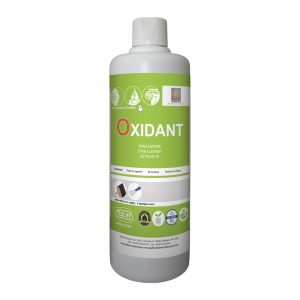 Faber OxidantFaber Oxidant Stain Remover for Marble & Natural StoneView product →
 Faber PoulticePowdered thickening additive designed for use with Faber stain removers.View product →
 Flagstone Fix Super Protector WBFlagstone Fix Super Protector WB Tile & Grout SealerView product →
 Faber ProtexFaber Protex Protective Treatment for Water, Oil & Stain ResistanceView product →
 Faber B1 700Faber B1 700 Stain-Proof Natural Stone SealerView product →
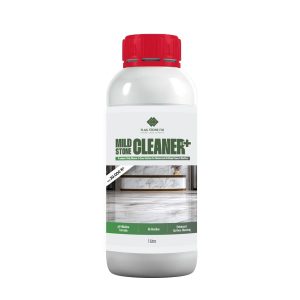 Flagstone Fix Mild Stone Cleaner PlusFlagstone Fix Mild Stone Cleaner Plus Alkaline Stone & Marble CleanerView product →


