
Stain Removal Guide: How to Remove Stains from Marble, Granite and Tiles
Identify the stain and the stone, then use the right remover. A stain-by-stain chart for marble, granite, Kota and tiles: oil, tea, coffee, rust, cement, efflorescence, hard water, epoxy, paint, mould and more.


Most stains on stone can be removed, as long as you know two things first: what the stain is, and what the stone is. Use the right stain remover and the mark comes out without harming the surface. Use the wrong one (most often an acid on marble) and a stain you could have removed turns into permanent damage.
This guide covers the stains we see most often on marble, granite, Kota, vitrified and porcelain tiles, and outdoor stone in Indian homes, hotels and offices. For each one it gives the remover that works on that stone and how to apply it, plus a link to a detailed guide. It is written by Flagstone Fix, the stone-care brand of Zyax Chem Pvt Ltd and an authorised partner of Faber Italy Tile & Stone Care. Every product mentioned is in our stain removal range.
Step 1: Is it a stain or an etch mark?
Look at the mark from a low angle, against the light.
- Darker than the stone around it (oil, tea, rust, ink): it is a stain. Something has soaked into the stone, and a stain remover can draw it out.
- Lighter, dull or rough, like a water ring: it is usually an etch mark. An acid (lemon, vinegar, cola, a bathroom cleaner) has eaten into the polish of marble or limestone. No stain remover will fix it, because nothing is in the stone. It needs re-polishing. See our marble polish guide or our etch and acid mark removal service.
Many kitchen marks are both: a lemon or tomato spill that etched the polish and stained it too. Remove the stain first, then polish.
Step 2: Is your stone acid-sensitive or acid-resistant?
This decides which removers you can use.
- Acid-sensitive: marble, limestone, travertine, Kota stone, terrazzo, marble agglomerates, cement tiles and concrete. Any acid will dull or burn the surface.
- Acid-resistant: granite, slate, sandstone, quartzite, quartz agglomerates, porcelain, vitrified and ceramic tiles, cotto and terracotta.
Not sure? Put one drop of lemon juice on a hidden spot for a minute and wipe it off. If it leaves a dull mark, the stone is acid-sensitive. (Do this only somewhere nobody will see.)
Stain removal chart: which remover for which stain
The sections below explain each stain. Always test a remover on a small, hidden area first, and read the product’s safety data sheet before you start.
Oil, ghee and grease stains
Cooking oil, ghee, pickle oil, cosmetics and engine oil leave a dark patch that slowly spreads outwards. It looks wet even when it is dry. Kitchen counters, dining areas and car porches get them most.
What to use: Faber NO OIL is a solvent-based remover that extracts food oils, greasy food, mineral and engine oil, diesel, lubricants and bitumen. It can be used on polished marble and other acid-sensitive stone without dulling the shine, as well as on granite, tiles, concrete and terracotta.
Tip: deal with fresh oil quickly. Blot it (do not wipe, which spreads it), and do not wash it with water and detergent, which can push it deeper. More detail: how to remove oil and water stains from granite.
Coffee, wine, soft drink and ink stains
Coloured drinks and ink leave brown, red or blue marks, usually with clear edges where the spill dried.
What to use: Faber NO MAC GEL is a water-based gel for coloured stains: coffee, wine, drinks, ink, mould and algae. The gel stays on the stain instead of running off, and it is safe on polished marble and acid-sensitive finishes as well as granite and tiles.
Wine, cola and fruit juice are also acidic, so on marble you may find a dull etch ring under the stain once it has gone. That part needs polishing. Hotels and restaurants: see wine stains on marble in hotels and restaurants.
Tea stains and other tannin stains
Tea, fallen leaves, flowers and wood leave yellow-brown tannin stains, often on light marble near planters, puja areas and kitchen counters.
What to use: Faber OXIDANT is a water-based remover for tannin and nicotine stains, yellowing and damp watermarks. For a deep stain, mix it with FABER POULTICE powder into a paste so it stays on the stain long enough to work (see the poultice method below). Apply it only to a dry or slightly damp surface, and never mix OXIDANT with any other chemical except FABER POULTICE.
Rust stains
Orange-brown rust marks come from metal furniture legs, plant stands, steel almirahs, nails, gas cylinders and iron in water. Rust is the stain where the type of stone matters most.
- Marble, limestone, travertine, Kota, cement tiles: use Faber MAR GEL PLUS, which is made for acid-sensitive stone and penetrates even polished surfaces. It reacts with the rust and turns it into a purple compound, which you then remove with OXIDANT. Never use an ordinary acid rust remover on marble: it will burn the polish and leave a permanent dull mark.
- Granite, porcelain, vitrified and ceramic tiles, slate, sandstone: use Faber NO RUG, a rust remover for acid-resistant surfaces that penetrates deep into the material. Do not use it on marble.
More detail: rust stains on granite and vitrified tiles and the best marble stain remover for each stain.
Yellowing and damp watermarks
White marble that turns yellow, and dark patches that appear after rain or near bathrooms, are usually caused by rising damp or water getting into the stone and carrying minerals and dirt with it.
What to use: Faber OXIDANT removes yellow stains from rising damp or water penetration and dark watermarks on natural stone. Use it as a poultice with FABER POULTICE on deep marks. Then stop the water at its source, or the stain will return. Read why white Italian marble turns yellow and how to stop rising damp stains.
Cement and grout haze after construction
After tiling or renovation, a grey film of cement, grout and adhesive often stays on the surface. On granite and tiles it can be cleaned off; on marble it needs more care.
- Acid-resistant tiles and granite: Faber DISYCOTT is a concentrated after-installation cleaner that removes cement-based grout, adhesive film, salts and limescale. It uses inhibited acids made to replace the muriatic acid usually used on sites.
- Marble, Kota and other acid-sensitive stone: do not use DISYCOTT or any acid. Cement on marble is usually removed mechanically, by honing and re-polishing. Send us a photo, or see our deep cleaning service.
More detail: how to remove cement and construction stains from tiles.
White salt marks (efflorescence)
White powdery or crusty patches that come back after you wipe them are salts carried up by moisture from the screed or wall. They are common on new floors, balconies and exterior cladding, especially after the monsoon.
- Marble and acid-sensitive stone: Faber DECERA/P removes salt efflorescence from acid-sensitive stone such as marble. COTTOSOLV also removes efflorescence on all materials.
- Granite, tiles, terracotta: DISYCOTT or NO RUG, which are both effective on salt efflorescence on acid-resistant surfaces.
Efflorescence will return until the moisture is dealt with. See efflorescence on tiles and stone: how to remove it and stop it coming back.
Hard water marks and soap scum
White rings around taps, chalky films on shower walls and dull patches on vanities are mineral deposits from hard water, often mixed with soap.
- Bathroom tiles, tubs and compatible stone: Vetro Power Professional Bathroom Tub, Tile & Stone Cleaner Plus removes limescale, soap residue and mineral build-up. Check that your surface is listed as compatible and test it first. It is a strong cleaner, so wear gloves and eye protection. On acid-resistant tiles, DISYCOTT also removes limescale.
- Marble and limestone vanities: limescale removers are usually acidic and will etch marble. Prevention is the answer: wipe surfaces dry and seal them. If they are already dull, they need polishing.
More detail: bathroom tile cleaner guide and hard water marks on marble and quartz vanities.
Epoxy grout haze, resin and adhesive residue
Epoxy grout and adhesives leave a sticky or shiny film if they are not cleaned off in time, and hard lumps once they have set.
- Haze and thin films: Faber EPOXY RESIDUE REMOVER is a ready-to-use alkaline cleaner for the film left after grouting or sealing with epoxy products, on every type of surface. On polished porcelain, test first and keep contact times short.
- Thick, hardened layers: Faber EPOXY REMOVER dissolves thick epoxy, polyester grout, fillers, mastics, enamels and resins without changing the look of the stone underneath. Apply it undiluted to dry surfaces only.
More detail: how to dissolve dried epoxy grout and our epoxy grout guide.
Paint drips, permanent marker and graffiti
Paint splashes after a home repaint, marker on walls and graffiti on compound walls or cladding are all synthetic layers sitting on the stone.
What to use: Faber GRAFF GEL dissolves paint, permanent inks, synthetic enamels, resins and graffiti without changing the appearance of the material beneath. Its thick gel suits walls and vertical surfaces. Apply it undiluted, to dry surfaces only. More detail: safe removal of paint drips on marble.
Mould, mildew, algae and moss
Black spots in bathroom grout, green algae on balconies and moss on outdoor paving all grow where stone stays damp, and they spread fast in the monsoon.
- Indoor spots on stone and grout: Faber NO MAC GEL removes mould and algae stains and is safe on polished marble.
- Outdoor floors and walls, all materials: Faber COTTOSOLV removes greasy dirt, dark stains, efflorescence, algae and mould on all materials.
- Terraces, walls, tiles and outdoor furniture: Zyax Moss & Mildew Remover Concentrate (diluted 1 part to 4 parts water) or the ready-to-use spray clears moss, mildew and algae without heavy scrubbing. Spot test on natural stone first. Its safety data sheet classifies it as corrosive, so wear PVC gloves and safety glasses.
- Exterior concrete walls before painting or waterproofing: Flagstone Fix Bio Wash, a non-acidic biocidal wash.
Once clean, a breathable water repellent slows regrowth. See keeping moss and algae off outdoor stone, fungus on walls and our algae, mould and mildew removal service.
Old wax, yellowed polish and sealer build-up
Layers of old wax or cheap floor polish turn yellow, patchy and sticky, and they trap dirt. They also stop a new sealer from soaking in.
What to use: professionals use “double wax stripping”: an alkaline stripper, Faber DECERA/P or COTTOSOLV, together with the solvent stripper Faber DEC 21, which removes old waxes, sealants, impregnators and long-standing oily dirt. More detail: stripping old wax and sealer from terracotta floors.
Tyre marks and greasy traffic dirt
Car porches, parking areas, lobbies and showrooms build up black tyre marks and grey, greasy dirt that ordinary mopping does not shift.
What to use: Faber 30 is a concentrated alkaline deep cleaner for long-standing dirt from foot or vehicle traffic, suitable for all materials including marble. More detail: how to remove tyre marks and greasy traffic dirt.
The poultice method for deep stains
A stain that has soaked deep into the stone needs time to come out. A poultice keeps the remover in contact with the stain and draws the stain up into the paste as it dries.
- Clean and dry the area with a neutral cleaner such as Faber NEUGEL.
- Mix the paste: add FABER POULTICE powder to the right liquid remover for the stain until it is as thick as peanut butter.
- Apply it 5 to 6 mm thick, a little wider than the stain.
- Cover it with cling film and leave it for the time given in the product’s data sheet.
- Uncover and let it dry, so the stain is pulled up into the paste.
- Scrape it off with a plastic scraper, rinse and check. Old, deep stains often need two or three rounds.
Seven rules that protect your stone
- Identify the stone and the stain before you buy anything.
- Never use acids, lemon, vinegar, toilet cleaner or “tile acid” on marble, limestone, Kota or terrazzo.
- Test every product on a small, hidden area first.
- Never mix stain removers or cleaners with each other.
- Read the safety data sheet, wear gloves and eye protection, and keep the room ventilated.
- Blot spills straight away; do not rub them.
- Once the stain is out, seal the stone so the next spill stays on the surface. See our stone sealer guide.
When to call a professional
Call in a team when the stain covers a large area, when it is on an expensive or antique piece, when an earlier attempt has left the stone dull or patchy, or when cement or acid damage on marble needs honing and re-polishing. Flagstone Fix teams handle stone cleaning, etch and acid mark removal and full stone restoration across India.
Frequently Asked Questions
What is the best stain remover for marble?
It depends on the stain. Faber NO OIL for oil and grease, NO MAC GEL for coffee, wine and ink, OXIDANT for tea, yellowing and watermarks, and MAR GEL PLUS for rust. All four are made to be safe on marble when used as directed.
Can I use lemon, vinegar or baking soda to remove stains from marble?
No. Lemon and vinegar are acids and will etch marble straight away, leaving a dull mark that is harder to fix than the stain. Baking soda is too weak for set stains and scrubbing with it can scratch the polish.
How do I remove rust stains from granite and tiles?
Use Faber NO RUG, a rust remover for acid-resistant surfaces such as granite, porcelain, vitrified and ceramic tiles. Do not use it on marble; use MAR GEL PLUS there.
How do I remove cement stains from tiles after construction?
On acid-resistant tiles and granite, use Faber DISYCOTT, a concentrated after-installation cleaner for cement and grout haze. On marble, do not use acid; the cement is usually removed by honing and re-polishing.
Why does a stain come back after cleaning?
Either the stain was only lifted from the surface and is wicking back up from deeper in the stone, or the cause is still there, such as damp, rust or salts. Use a poultice for deep stains and deal with the source of moisture.
How do I stop stains from happening?
Seal the stone with a penetrating stain protector, clean it with a pH-neutral cleaner, and wipe spills quickly. A sealed stone gives you time to blot a spill before it soaks in.
Not sure what the stain is?
Send a photo of the stain and the stone to the Flagstone Fix team on WhatsApp, and tell us roughly how big the area is. We will tell you which product to use and how much you need, or arrange a site visit. You can also download the technical and safety data sheets for every product mentioned here.
Products mentioned in this guide
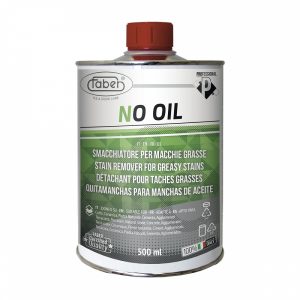 Faber No OilFaber No Oil Deep-Clean Oil Stain Remover for Marble, Granite & StoneView product →
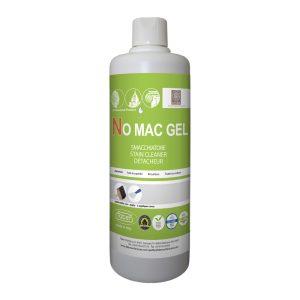 Faber No Mac GelFaber No Mac Gel Stain Remover for Marble & Natural StoneView product →
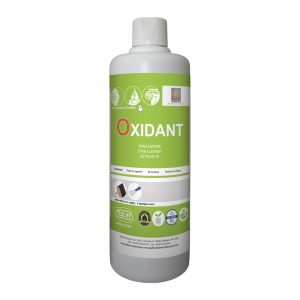 Faber OxidantFaber Oxidant Stain Remover for Marble & Natural StoneView product →
 Faber PoulticePowdered thickening additive designed for use with Faber stain removers.View product →
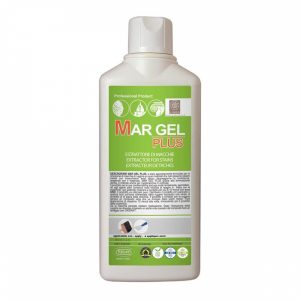 Faber Mar Gel PlusFaber Mar Gel Plus Marble Stain & Rust RemoverView product →
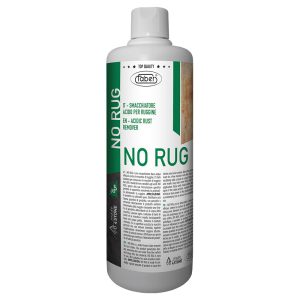 Faber No RugFaber No Rug Rust Stain Remover for Acid-Resistant Stone & Tile SurfacesView product →


